Seasoned Immigration Practitioner: Steer Your Pathway to U.S. Residency With Confidence
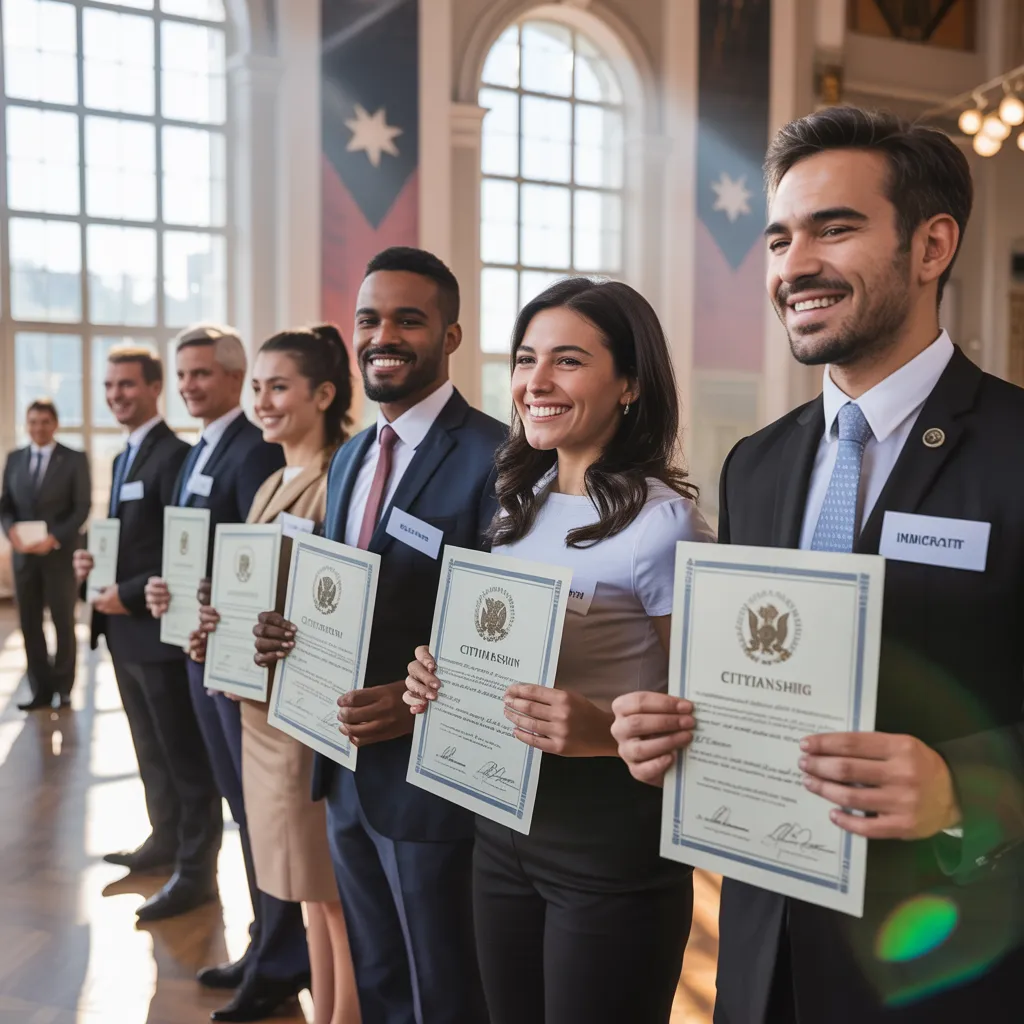
Progressing through the U.S. immigration process can be daunting. A qualified immigration lawyer assumes an important role in facilitating this journey. They review individual cases and modify strategies to fulfill unique needs. From preparing essential documents to acting on behalf of clients in hearings, their expertise is critical. Understanding the particulars of immigration law can shift results. Yet, many still confront challenges in picking the right representation. What key factors should one weigh in this decision?
Comprehending the Responsibilities of an Immigration Solicitor
An immigration attorney plays an essential role in navigating the intricate terrain of immigration law. They provide invaluable guidance to people maneuvering through the complicated procedures related to securing visas, permanent residency, or citizenship. By understanding both federal and state regulations, these legal professionals help clients avoid common pitfalls and ensure adherence to immigration laws.
Immigration counselors examine individual cases, customizing strategies to fulfill specific needs. They prepare and file required paperwork, advocate for clients in hearings, and work with immigration authorities on their behalf. This representation is essential, especially in situations concerning deportation or legal disputes.
Furthermore, immigration lawyers stay updated on legislative and policy modifications, which can greatly impact their clients' applications. Their expertise not only simplifies the immigration procedures but also builds trust in clients, allowing them to concentrate on their new beginnings in a new nation.
Typical Relocation Routes: Work Authorizations, Kinship Assistance, and Permanent Cards
Across the sphere of international relocation, multiple avenues exist for people aiming to establish their lives in a foreign country. Work visas provide job openings, while kinship sponsorship options allow family reunification with close ones. Moreover, the pathway to securing a copyright offers a more stable solution for those wanting to reside permanently.
Classes of Work Visas
Understanding the multiple types of work visas is vital for people pursuing employment opportunities in a different nation. In the United States, numerous categories are present, each designed for specific purposes and qualifications. The H-1B visa, for instance, allows employers to provisionally employ foreign workers in specialty occupations. On the other hand, the L-1 visa supports intra-company transfers for employees of multinational companies. The O-1 visa caters to individuals with extraordinary ability in their fields, while the TN visa is specifically for Canadian and Mexican citizens under the USMCA. Furthermore, the E-2 visa delivers opportunities for investors and their employees. Each visa type has different requirements and application processes, making it necessary for prospective applicants to understand their options thoroughly.
Family Sponsorship Options
relatives such as spouses, children, and parents—who receive preference—benefit from a simplified application process. In addition, family individuals of U.S. citizens can often skip waiting periods, though other relatives may experience extended timelines because of annual visa caps. Understanding the specific eligibility requirements and required documentation for each category is critical for positive applications. Legal guidance can aid work through
Pathway to copyright
Locating the path to copyright encompasses multiple immigration choices, such as work visas and family-based petitions. Work-related permanent residency generally necessitate an job offer from a U.S. employer and may demand labor certification to demonstrate no suitable U.S. workers are obtainable. On the other hand, family-based immigration permits U.S. nationals and lawful permanent residents to petition for their relatives, with priority awarded to close relatives. In addition, specific humanitarian programs, such as sanctuary status or refugee status, provide pathways for obtaining a copyright card. Each pathway has specific eligibility criteria and application processes, requiring careful consideration and frequently legal guidance. Understanding these options empowers people to navigate the complexities of American immigration regulations effectively.
What to Anticipate Along Your Immigration Journey
Navigating the immigration journey can typically be a complex and challenging process. Applicants should expect multiple stages, each requiring thorough preparation and attention to detail. Initially, individuals will gather required documents, including identification, financial records, and proof of employment or relationships.
Once applications are submitted, people might go through a span of time, during which their cases are processed by immigration authorities. This timeframe can vary in duration based on the form of visa or residency sought sought.
Interviews prove to be a key component, where applicants must present their cases in person. During this stage, questions regarding their background, intentions, and eligibility are common.
Throughout the procedure, applicants should stay updated about any updates or requests from immigration officials. Perseverance and attention to detail are crucial, as the process can involve unexpected challenges. Understanding these elements can assist people navigate their path with increased assurance and understanding.
Essential Factors Why You Should Engage an Immigration Counsel for Your Case
Tackling the complexities of immigration can be unsettling, making the support of an immigration lawyer a valuable asset. First and foremost, immigration lawyers possess specialized knowledge of the intricate laws and regulations governing U.S. immigration. This skill allows them to steer through potential pitfalls that applicants might overlook.
Furthermore, an immigration lawyer can provide personalized legal advice adapted for individual situations, guaranteeing that clients obtain knowledgeable counsel throughout the process. They can also help with the drafting of essential documents, minimizing the risk of mistakes that could lead to delays or denials.
Furthermore, legal representatives can skillfully represent clients during interviews and hearings, defending their rights and interests. Their experience in dealing with government agencies can promote smoother communication and potentially speed up cases. Ultimately, engaging an immigration lawyer can enhance the prospects of a favorable result, delivering reassurance during a challenging journey.
Discovering the Best Visa Attorney Tailored to You
Picking the right immigration attorney is vital for traversing complex legal procedures. It is crucial to take into account the attorney's credentials and experience, as well as their specialization in immigration law. These factors can greatly influence the outcome of your case and guarantee effective advocacy.
Certifications and Expertise
Choosing an immigration lawyer requires thorough consideration of their background and experience. Potential clients need to seek lawyers holding a Juris Doctor (JD) degree from an accredited law school and authorized to practice in their state. Belonging to professional groups like the American Immigration Lawyers Association (AILA) also shows dedication to keeping current with immigration law. Handling cases comparable to one’s own is vital, including understanding specific visa types and workflows. Also, good client feedback and a strong record of successful cases help validate a lawyer's expertise. Finally, comprehensive investigation of a lawyer’s history guarantees knowledgeable choices in the intricate immigration environment.
Specialization in Immigration Law
Finding the right immigration lawyer is frequently dictated by their focus in immigration law. Immigration law is complex and dynamic, requiring attorneys to stay abreast on regulations and policies. A lawyer specializing in immigration can provide tailored advice and strategies suited for individual needs, whether it involves family-based visas, employment sponsorship, or asylum applications. This proficiency guarantees the lawyer is familiar with nuances that could profoundly influence a case's outcome. Additionally, specialized lawyers often have maintained relationships with immigration officials, facilitating communication and productivity. Clients should seek attorneys with a well-established background in their specific area of need, ensuring they receive informed guidance and effective representation throughout the immigration process. This dedicated strategy is essential for maneuvering the often complex U.S. immigration landscape.
Asserting Your Rights: Questions to Present to Your Immigration Lawyer?
How can clients make sure they are well-prepared for appointments with their immigration lawyer? One effective strategy is to gather a set of applicable questions that tackle their unique circumstances. Key inquiries might include: "What are my alternatives for obtaining residency?" and "What potential challenges should I anticipate in my case?" Clients should also ask about the lawyer's related content experience with similar cases and the projected timeline for their application process.
In addition, it is essential to comprehend the financial costs involved. Questions along the lines of, "What are your rates, and are there any extra expenses I should be informed about?" can clarify monetary expectations. Clients should also question interaction preferences, such as how often they can expect updates and the best ways to reach their legal counsel. By asking these questions, individuals equip themselves with knowledge, guaranteeing a more worthwhile partnership with their immigration legal counsel.
Common Queries That Are Asked
What timeframe can you generally anticipate from the copyright procedure?
The copyright procedure typically takes several months to years, depending on the category of visa, individual circumstances, and processing times. Factors such as how thoroughly your application is filled out and security screenings can significantly impact the total length of time.
What Are the Charges Connected to Engaging an Immigration Legal Professional?
Costs associated with hiring an immigration legal professional generally range from $100 to $500 per hour, depending on expertise and location. Additional fees may include intake costs, court fees, and potential upfront payments for far-reaching assistance.
Can I Submit an Application for copyright Without a Attorney?
Yes, applicants can seek residence without a lawyer. However, working through the legal complexities and ensuring accurate documentation may become problematic, increasing the risk of delays or rejections in the submission.
What Takes Place if My Application Is Rejected?
If an application is rejected, the applicant gets a letter detailing the grounds. They may challenge the ruling or reapply, tackling the concerns identified. Seeking attorney counsel can assist in explaining choices and enhance future applications.
Are There Any Travel Limitations During the Application Process?
Travel guidelines during the application timeline vary based on individual circumstances. Applicants should commonly avoid international travel, as traveling outside the United States may complicate their status and impact their pending application for residency.